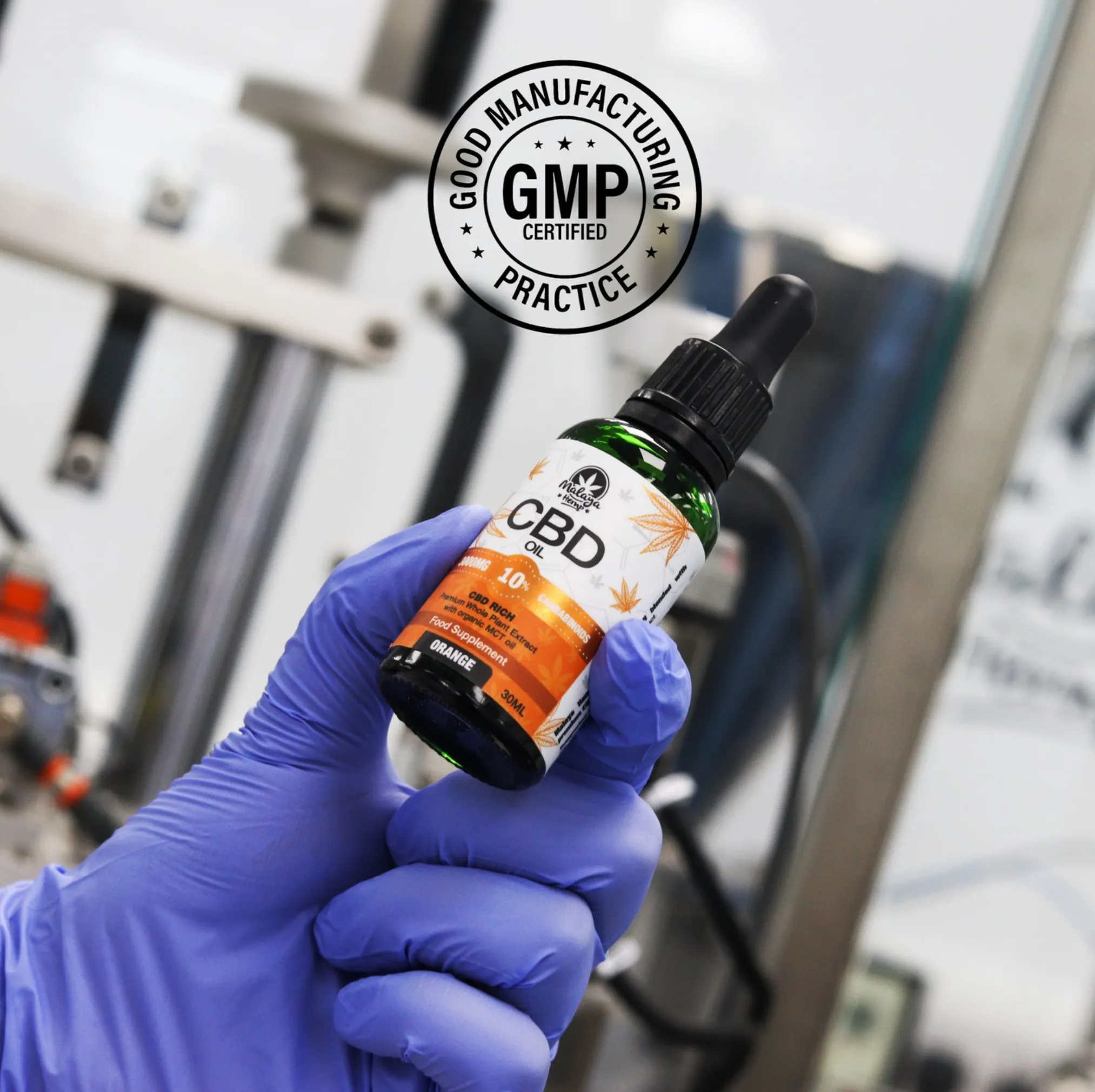

CBD Oil and Thyroid Health
Cannabidiol (CBD) has grown in popularity in recent years because of its many potential health benefits.
Derived from the Cannabis sativa plant, CBD Oil is a powerful therapeutic remedy used to regulate bodily functions and reduce the symptoms of various health conditions.
CBD Oil may support thyroid health, play a role in regulating thyroid hormones, and help manage symptoms associated with thyroid disease.
This article explores the potential benefits of CBD Oil for thyroid health, possible side effects, how to use CBD Oil, and what to look for when choosing a CBD product.
Health Benefits of CBD for the Thyroid

CBD has antioxidant and anti-inflammatory properties that may benefit thyroid health.
Evidence suggests that CBD Oil may help regulate thyroid hormone levels in the body and reduce symptoms associated with certain thyroid disorders.
CBD interacts with the body’s endocannabinoid system (ECS), an extensive network of specialised receptors located throughout the body that helps maintain homeostasis, or balance.
The ECS plays a role in regulating important bodily functions, including appetite, mood, memory, fertility, body temperature, immune response, and pain perception.
The ECS has receptors, known as endocannabinoid receptors, throughout the body, including in the thyroid gland.
These receptors are also found in areas of the brain responsible for sending signals to the thyroid gland that control thyroid hormone production.
Research indicates that the ECS plays a role in regulating hormones and supporting thyroid health.
Although the exact mechanism through which CBD interacts with the body’s ECS is not yet fully understood, CBD binds to endocannabinoid receptors in the thyroid gland to help support thyroid function.
CBD is known to reduce certain symptoms associated with thyroid disorders, including:
- Weight gain
- Inflammation
- Pain
- Skin problems
- Anxiety and depression
- Insomnia
- Fatigue
Although only limited research has examined the effects of CBD on specific thyroid disorders, its anti-inflammatory and antioxidant properties may offer therapeutic benefits for people experiencing thyroid problems.
Hyperthyroidism
Hyperthyroidism, or an overactive thyroid, occurs when the thyroid gland produces too much thyroid hormone.
Excess thyroid hormone causes the body’s metabolism to accelerate, leading to symptoms such as weight loss, insomnia, a rapid heartbeat, trembling hands, and anxiety.
CBD Oil may help relieve depression, irritability, and hand tremors while also improving sleep quality.
Some evidence suggests that CBD may benefit heart health and reduce irregular heartbeats, also known as arrhythmias.
Hypothyroidism
Hypothyroidism, or an underactive thyroid, occurs when the thyroid gland does not produce enough thyroid hormone.
Common symptoms include weight gain, fatigue, dry skin and hair, joint and muscle pain, and depression.
Research suggests that CBD may effectively reduce pain, help hydrate dry skin, and play a role in weight loss.
The leading cause of hypothyroidism is Hashimoto’s thyroiditis, an autoimmune disorder associated with chronic inflammation of the thyroid gland.
CBD’s powerful anti-inflammatory properties may benefit people experiencing thyroid inflammation.
Thyroid Cancer
Thyroid cancer develops when cancer cells form in the tissues of the thyroid gland. Some studies suggest that CBD may have anti-cancer properties, prevent cancer cells from multiplying, and inhibit tumour growth.
One study found that the thyroid gland contains a high concentration of endocannabinoid receptors that may play a role in reducing the size of thyroid tumours.
This suggests that CBD may be a potential therapeutic option for preventing the growth and spread of thyroid tumours.
Possible Side Effects
CBD is generally well tolerated and considered safe. It does not have psychoactive properties, which means it will not cause the high associated with delta-9-tetrahydrocannabinol (THC), another cannabinoid found in abundance in the Cannabis sativa plant.
Some people who take CBD may experience minor side effects, including:
- Dry mouth
- Low blood pressure
- Drowsiness
- Diarrhoea
- Changes in appetite
Interactions With Thyroid Medication
Levothyroxine is a medicine used to treat hypothyroidism and thyroid cancer. Research has found that CBD may interact with levothyroxine and cause the thyroid gland to release more thyroid hormone than the body can metabolise.
When this happens, too much thyroid hormone may build up in the body and lead to hyperthyroidism.
Speak with your healthcare provider before taking CBD, especially if you are using prescription medicine to manage a thyroid condition.
CBD may interact with other medicines you take, and your healthcare provider should be able to advise whether CBD is safe for you.
Dosage and Preparation

There is no recommended CBD dosage for managing thyroid disease. Everyone responds to CBD differently, so it may take some experimentation to find the best dosage for your needs.
General advice for people who are new to CBD is to start low and go slowly.
Certain factors influence how much CBD a person may need to relieve symptoms, including:
- The potency of the CBD Oil you use
- The severity of your symptoms
- Your body weight and metabolic rate
- You may need to experiment with different dosages before finding the right amount to manage your symptoms.
CBD Oil is available in several forms:
- Tinctures (CBD Oil mixed with a carrier oil)
- Sprays
- Gummies and other edible products
- Capsules
The form you choose depends on your preference and how quickly you hope to feel the effects.
Placing a few drops of oil under your tongue usually produces effects more quickly than chewing a gummy, for example.
Carefully read the directions on the packaging of the CBD product you intend to use before trying CBD.
If you want to try CBD to support thyroid health or manage symptoms of thyroid disease, speak with your healthcare provider.
They should be able to recommend a dosage and product and provide information about possible interactions with medicines you take.
What to Look for in CBD Oil

The CBD industry is not regulated by the U.S. Food and Drug Administration (FDA), and quality can vary widely between brands and products. There are certain things to look for to ensure you buy CBD Oil from a reliable source:
- Certificate of Analysis (COA): A reputable vendor should provide a COA, a document from an accredited laboratory that details the quality and purity of the CBD product. It should also contain a list of ingredients.
- Third-party laboratory testing: Buy CBD Oil from a company whose products are tested by an independent third-party laboratory to ensure you receive the amount of CBD stated on the product packaging.
- Product potency: CBD products usually list the dosage in milligrams (mg). If you are new to CBD Oil, you may want to try a product with a lower CBD dosage before moving to a higher-strength product.
Avoid CBD products that make health claims on their packaging, such as promises to cure a specific disease.
You may also want to read customer reviews for the product you are considering. Reviews and comments from people who have used a particular CBD product can tell you a great deal about its effectiveness and potential side effects.