Cannabidiol (CBD): What We Know and What We Do Not
Introduction to Cannabidiol (CBD)
Cannabidiol (CBD) is often a hot topic in the media, and you may have seen it suggested as an energy booster in your post-workout smoothie or morning coffee. You can even buy a sports bra formulated with CBD. But what exactly is CBD? And why is it so popular? Let us explore it together!
How Is Cannabidiol Different From Marijuana, Cannabis and Hemp?
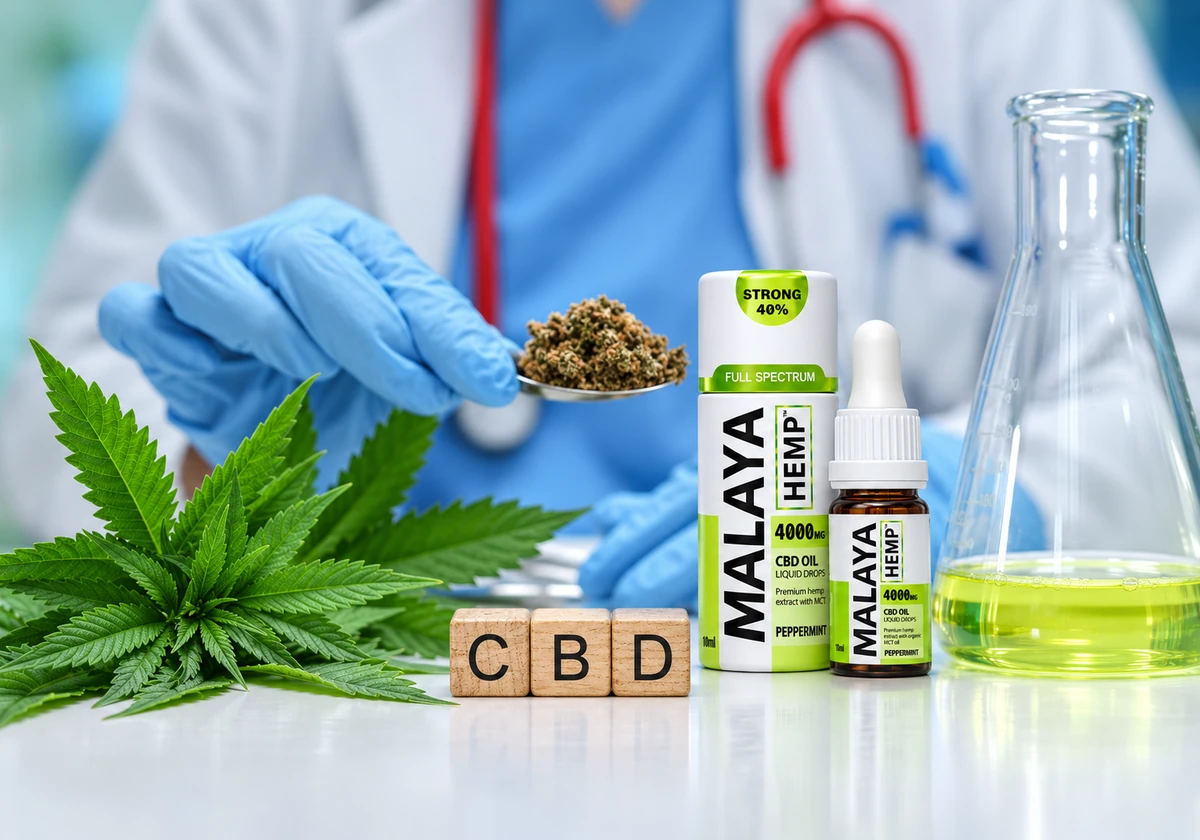
CBD, or cannabidiol, is the second most abundant active ingredient found in cannabis (marijuana). Although CBD is an important component of medical marijuana, it is actually obtained directly from the hemp plant, which is related to marijuana, or produced in a laboratory. CBD is one of hundreds of components in marijuana, but CBD itself does not cause intoxication or a “high”.
According to a report from the World Health Organization, “In humans, CBD exhibits no effects indicative of any abuse or dependence potential. To date, there is no evidence of public health related problems associated with the use of pure CBD.” A recent study in the journal Neuropsychopharmacology concluded that “acute CBD use alone is unlikely to significantly impair daily functioning or workplace performance.” In other words, CBD is considered safe and does not pose an addiction risk. This study gives us confidence that using CBD will not interfere with our daily activities or productivity at work.
Is Cannabidiol (CBD) Legal?
CBD is now readily available in most parts of the United States, although its legal status is still changing. All 50 American states have laws legalising CBD, but with varying levels of restriction. In December 2015, the FDA relaxed regulatory requirements to allow researchers to conduct CBD clinical trials. Then, in 2018, the Farm Bill legalised hemp in the United States. This made efforts to keep CBD as an illegal prohibited substance almost impossible — like legalising oranges but banning orange juice!
The Farm Bill removed all hemp-derived products, including CBD, from the Controlled Substances Act, which makes drug possession a crime. This essentially means that CBD is legal if it is obtained from hemp but illegal if it comes from cannabis (marijuana) — even though the molecule is exactly the same. At present, many people obtain CBD online without needing a medical marijuana licence, and this is legal in most states.
In the United Kingdom, CBD is legal as long as it is produced from licensed industrial hemp and contains less than 1 mg of THC per product, with additional regulation by the Food Standards Agency (FSA) for products in circulation. However, in Malaysia, CBD remains under strict control under the Dangerous Drugs Act 1952, and its use is only permitted in certain research or medical treatment contexts with special approval from the authorities.
Evidence of the Health Benefits of Cannabidiol
CBD is often promoted as a solution for various health problems. However, the strongest scientific evidence is its effectiveness in treating the most difficult childhood epilepsy syndromes, such as Dravet syndrome and Lennox-Gastaut syndrome (LGS). Both syndromes usually do not respond well to anti-seizure medicines. In many studies, CBD successfully reduced the number of seizures and, in some cases, stopped them completely. Epidiolex, which consists mainly of CBD, is the first cannabis-derived medicine approved by the FDA to treat these conditions.
Animal studies, and self-reports or research in humans, suggest CBD may also help with the following problems:
- Anxiety: Studies and clinical trials are exploring common reports that CBD may reduce anxiety. This is good news for those who often feel anxious.
- Insomnia: Studies suggest that CBD may be able to help you not only fall asleep more easily but also stay asleep throughout the night. This is partly because CBD may help address chronic pain and anxiety that often disturb sleep.
- Chronic Pain: An increasing number of human studies support the claim that CBD helps control pain. An animal study from the European Journal of Pain suggests that CBD may help reduce pain and inflammation caused by arthritis when applied to the skin. Other research identifies how CBD may inhibit inflammatory and neuropathic pain, which is difficult to treat.
- Addiction: According to several human studies, CBD may help reduce cravings for tobacco and heroin under certain conditions. Animal models of addiction suggest that it may also help reduce cravings for other addictive substances such as alcohol, cannabis, opiates and stimulants.
Is CBD Safe to Use?
CBD is generally considered safe, but several side effects may occur. These include nausea, fatigue and irritability. CBD can increase the levels of blood thinners and other medicines in your blood. This happens because CBD competes with liver enzymes that break down those medicines. This effect is similar to what happens when you take grapefruit with certain medicines. This interaction is especially important if you are taking blood thinners, anti-epileptic medicines or immunosuppressants, because all these medicines require stable levels in your blood.
Taking high doses of CBD may cause abnormalities in liver-related blood tests. This is similar to the effects that can occur with many other non-prescription medicines, such as acetaminophen (Tylenol). It is therefore important to tell your doctor if you use CBD regularly. This allows the doctor to monitor your liver enzymes from time to time.
One significant safety concern about CBD is that it is mostly marketed and sold as a supplement, not as a medicine. At present, the FDA does not regulate the safety and purity of dietary supplements, and in fact no one truly regulates the CBD market. Therefore, you cannot be certain that the product you buy contains the active ingredient at the dose stated on the label.
In addition, the product you buy may contain other unknown elements. If you buy CBD, the safest approach is to make sure there is independent laboratory testing verified through a COA (certificate of analysis), which should be included with every CBD product. Make sure you check the validity of that test to confirm the quality and safety of the product you use.
How Do You Take CBD?
CBD comes in various forms, such as oils, tinctures, capsules, patches, vapes and topical preparations for use on the skin. If you want to reduce inflammation and relieve muscle and joint pain, a CBD-infused oil, lotion or cream — even an aromatherapy bath bomb — may be the best choice. Alternatively, a patch (CBD patch) or tincture (drops/spray) designed to be placed under the tongue allows CBD to enter the bloodstream directly. Some doctors do not recommend smoking cigarettes or vaping anything mixed with any substance, including CBD.
Outside the United States, the prescription medicine Sativex, which uses CBD as an active ingredient, has been approved to treat muscle spasms associated with multiple sclerosis and also pain caused by cancer. Meanwhile, in the United States, Epidiolex has been approved to treat certain types of epilepsy and tuberous sclerosis.
Conclusion About Cannabidiol
Some CBD manufacturers have attracted the attention of authorities for making claims that have not been thoroughly studied — such as stating that CBD is a cure for cancer or COVID-19, which is clearly untrue. Even so, while more research is needed, CBD shows potential as a useful and relatively safe option for managing problems such as anxiety, insomnia and chronic pain. However, without high-quality evidence from human studies, we cannot determine an effective dose. In addition, because CBD is usually available as an unregulated supplement, it is difficult to know exactly what you are getting or to conduct research accurately.
If you decide to try CBD, make sure you obtain it from a trusted source. Do not forget to discuss the use of CBD or any other supplement with your doctor. This is important to ensure it will not interfere with or neutralise the effects of other medicines you take.