What Is the Difference Between Hemp and Marijuana?
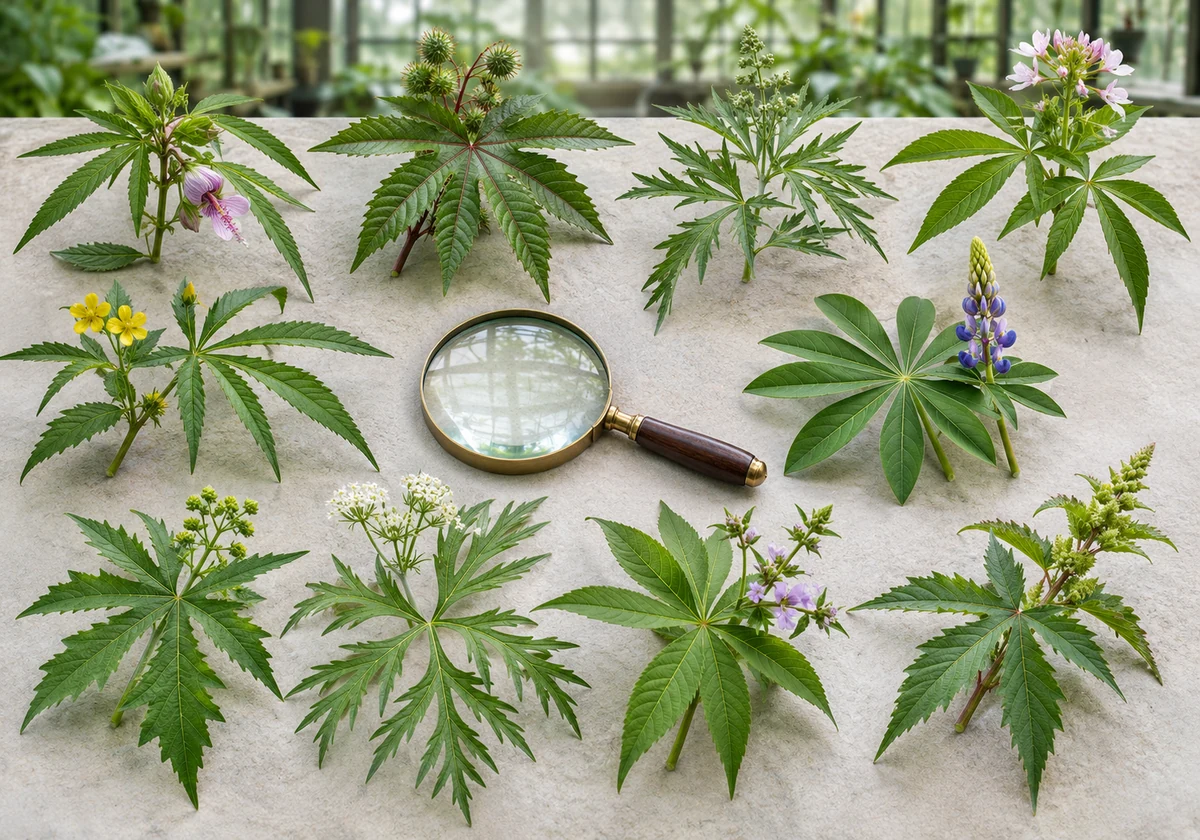
Understanding the Difference Between Hemp and Marijuana
The terms hemp and marijuana are often used interchangeably, and this can cause confusion. Although both come from the same plant species, Cannabis sativa L., their cultivation, uses and regulations are very different.
Understanding the different effects each has on the body, their legal status and potential health benefits can help you become a wiser and more responsible consumer. With this knowledge, you can make more accurate and safer choices.
Although both hemp and marijuana plants come from the same species, Cannabis sativa, centuries of selective cultivation have made them different from each other.
This is similar to how broccoli, cauliflower and Brussels sprouts all come from the same species, Brassica oleracea. Yet they look different and taste different because of breeding and selective cultivation over time.
The most significant difference between hemp and marijuana lies in their tetrahydrocannabinol (THC) content. In the United States, hemp must legally contain a maximum THC content of 0.3% or less by dry weight. By contrast, marijuana usually refers to cannabis with a higher THC content.
The Difference Between Hemp and Marijuana
The terms hemp and marijuana are often used interchangeably, and this can cause confusion. Although both come from the same plant species, Cannabis sativa L., their cultivation, uses and regulations are very different.
Understanding the different effects each has on the body, their legal status and potential health benefits can help you become a wiser and more responsible consumer. With this knowledge, you can make more accurate and safer choices.
Although both hemp and marijuana plants come from the same species, Cannabis sativa, centuries of selective cultivation have made them different from each other.
This is similar to how broccoli, cauliflower and Brussels sprouts all come from the same species, Brassica oleracea. Yet they look different and taste different because of breeding and selective cultivation over time.
The most significant difference between hemp and marijuana lies in their tetrahydrocannabinol (THC) content. In the United States, hemp must legally contain a maximum THC content of 0.3% or less by dry weight. By contrast, marijuana usually refers to cannabis with a higher THC content.
What Is Hemp?
Hemp is a type of plant from the Cannabis family that contains a very low THC content. THC is the compound in the cannabis plant that can cause someone to feel intoxicated or “high”.
Hemp is also commonly used to make clothing, rope, paper and even building materials. Its seeds can be eaten or used to make oil.
Hemp is unique according to the following criteria:
- Purpose: Grown specifically for industrial and nutritional uses.
- Cultivation: Grown mainly for its stalks and seeds across large agricultural areas.
- Uses: Used in the manufacture of textiles, paper, rope, building materials, biofuel and food. Hemp seeds and oil are very popular in health and wellness. Cannabidiol (CBD) can also be extracted from its flowers and leaves.
- THC content: Must contain no more than 0.3% THC to be legally classified as hemp.
- Other characteristics: Has seeds rich in nutrients, healthy fats and protein, and can be used to help clean and restore soil.
What Is Cannabis (Also Known as Marijuana)?
Marijuana is the term used to describe various types of plants in the Cannabis family that can cause psychoactive effects.
Marijuana is often used for medical and recreational purposes. It can be consumed in various ways, including smoking, vaping, eating it in food, or applying and taking it in oil form.
Marijuana is unique according to the following characteristics:
- Purpose: Grown specifically for medical and psychoactive effects because of its higher THC content.
- Cultivation: Bred to produce dense, resin-rich flowers with a high cannabinoid content.
- Uses: Used in some medical treatments and has therapeutic and recreational uses.
- THC content: Usually contains between 5% and 30% THC, depending on the strain.
- Other characteristics: May contain CBD and other cannabinoids such as cannabigerol (CBG), cannabinol (CBN) and tetrahydrocannabivarin (THCV).
The History of the Term Marijuana
The term “marijuana” may have links to racial issues in the United States during the 1920s and 1930s. During this period of prohibition, influential figures in the media and government portrayed cannabis as a dangerous substance associated with violence.
As part of the campaign against cannabis, some sources say that the term “marijuana” was popularised to increase prejudice against Mexican immigrants at that time.
Because of this history, many individuals involved in research or the industry prefer to use the term “cannabis” rather than “marijuana”. This is because “cannabis” refers to the scientific name of the plant.
However, the term “marijuana” is still frequently used and widely recognised. It usually refers to products and types of cannabis with a higher THC content.
Some professionals in this industry and cannabis activists also disagree with completely eliminating the use of this term. They argue that doing so could ignore its troubled history or erase its cultural meaning in the Latinx community.
Laws Concerning Hemp vs Marijuana
Under the 2018 Farm Bill, the cultivation, sale and transportation of hemp are legal as long as it contains no more than 0.3% THC. CBD products produced from hemp are legal throughout the country.
However, the legal landscape concerning cannabinoid products obtained from hemp is changing. Some lawmakers have proposed regulations for hemp-derived cannabinoid products, such as delta-8 THC. Others intend to ban them completely in response to the increasing number of “bad actors” selling low-quality products that could potentially harm consumers.
It is always a good idea to check the laws in your state before buying any product with CBD or THC derived from hemp.
Marijuana remains categorised as a Schedule I controlled substance at the federal level. However, it has been recognised as legal for medical use in 39 states, Washington, D.C., and several U.S. territories. In addition, recreational marijuana use is permitted in 24 states.
Can Hemp and Marijuana Make You Intoxicated or Feel High?
Marijuana can cause you to become intoxicated or feel “high” because it naturally contains THC. By contrast, hemp is unlikely to cause a “high” because its THC content is very low.
However, certain products containing hemp-based cannabinoids can cause intoxication. These are produced by chemically altering natural compounds in hemp. Examples include:
- Delta-8 THC
- Hexahydrocannabinol (HHC)
- THC-O
Cannabinoid products made from hemp are mostly unregulated. It is therefore better to obtain products containing cannabinoids from trusted sources, such as dispensaries. In this way, you can ensure the quality and safety of the products you use.
Check manufacturers and companies that prioritise third-party testing to ensure products are free from or pass tests for heavy metals or additives.
CBD in Hemp vs Marijuana
CBD is a natural compound found in both hemp and marijuana plants. Both plants can contain high levels of CBD. However, the difference lies in the concentration of other compounds such as THC.
Hemp is usually rich in CBD and has a very low THC content. Meanwhile, marijuana can also be bred to contain high levels of CBD, but it usually also has a higher THC content.
Regardless of whether it comes from hemp or marijuana, CBD remains the same compound. CBD extracted from hemp may require a higher dose to achieve the same effect. However, it is legally available in all 50 states and it does not cause intoxication.
Conclusion
Hemp and marijuana come from the same plant species, but there are several important differences between them. Although hemp and marijuana come from the same family, they are not identical twins.
Hemp is grown specifically for fibre, seeds and high CBD content but low THC. By contrast, marijuana is grown for its flowers, which have psychoactive effects and medical uses.
Understanding these differences can help you make wiser choices as a consumer. Whether you are buying CBD, exploring medical cannabis or simply want to understand the law, this knowledge is very useful.