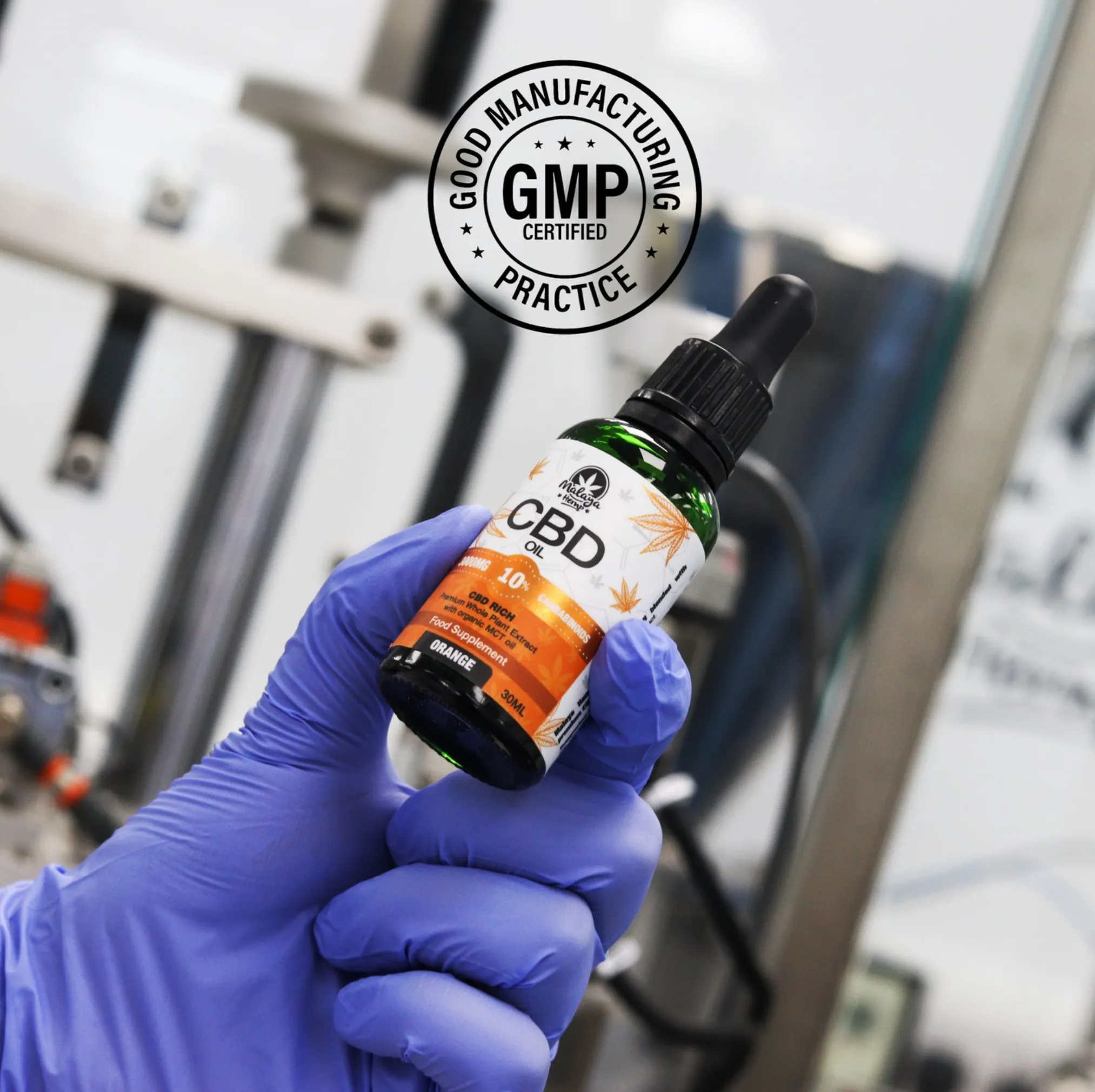

CBD oil for Parkinson’s disease has received growing attention among researchers studying neurological conditions. Cannabidiol, better known as CBD, is a naturally occurring compound found in the Cannabis sativa plant.
CBD belongs to a group of compounds called cannabinoids. Cannabis contains more than 100 identified cannabinoids, although only a small number are widely known.
Unlike tetrahydrocannabinol, commonly known as THC, CBD does not produce the intoxicating “high” associated with cannabis. CBD may instead offer potential effects related to anxiety, pain, inflammation, sleep and neurological function.
The potential benefits of cannabinoids for the brain and nervous system have attracted particular interest among people living with progressive neurological conditions such as Parkinson’s disease.
Table of Contents
Understanding Parkinson’s Disease
Parkinson’s disease, or PD, is a progressive neurological condition that affects movement and may also produce a wide range of non-motor symptoms.
Common motor symptoms include tremors, muscle stiffness, slowed movement and problems with balance. Non-motor symptoms can include pain, anxiety, depression, sleep disturbances, cognitive changes, hallucinations and reduced quality of life.
CBD may have potential benefits for certain Parkinson’s symptoms. Its effects can vary according to the product, cannabinoid content, amount used and the symptoms being addressed.
CBD Oil for Parkinson’s Disease Symptoms
CBD oil for Parkinson’s disease may offer potential benefits for non-motor symptoms such as anxiety, sleep disturbances, psychosis and quality of life.
Different preparations may produce different effects. Purified CBD products differ from cannabis extracts containing both CBD and THC, as THC can produce intoxicating and psychoactive effects.
CBD may influence the body’s endocannabinoid system and other biological pathways involved in mood, sleep, inflammation, pain and neurological function.
Pain
Pain is common among people living with Parkinson’s disease. It can be associated with muscle stiffness, abnormal posture, involuntary movement, nerve changes or another health condition.
Medical cannabis may have potential benefits for pain. However, many cannabis preparations contain both CBD and THC.
CBD alone may also have potential effects on inflammatory and pain-signalling pathways. These properties have contributed to interest in CBD oil for Parkinson’s disease, particularly for people experiencing pain alongside stiffness or reduced mobility.
Individual responses may differ depending on the type of pain, CBD formulation and other medicines being used.
Tremors and Uncontrolled Movement
Tremor is one of the most recognisable symptoms of Parkinson’s disease. Individuals may also experience dyskinesia, which refers to involuntary and uncontrolled movements that can develop after prolonged levodopa treatment.
CBD may have potential effects on abnormal movement and muscle activity. Earlier research generated interest in whether cannabinoids could help regulate movement-related symptoms.
The potential effect of CBD may vary according to the type of tremor, the stage of Parkinson’s disease and the person’s existing treatment.
People experiencing worsening tremors or dyskinesia should have their existing treatment reviewed before making changes to their prescribed Parkinson’s medication.
Parkinson’s Psychosis
Psychosis is a possible complication of Parkinson’s disease. It may cause hallucinations, delusions, confusion or changes in perception, particularly during the later stages of the condition.
CBD may have potential benefits for psychotic symptoms associated with Parkinson’s disease. It may help reduce the severity of hallucinations, delusions and other behavioural symptoms without producing the intoxicating effects associated with THC.
This potential is important because certain conventional antipsychotic medicines may aggravate movement symptoms in people with Parkinson’s disease.
Research into CBD oil for Parkinson’s disease continues to examine whether oral CBD may help manage hallucinations and delusions.
Sleep Disturbances
Sleep problems are common among people with Parkinson’s disease. These can include insomnia, excessive daytime sleepiness, vivid dreams and rapid eye movement sleep behaviour disorder.
Rapid eye movement sleep behaviour disorder may cause a person to talk, shout or move while dreaming. This can affect both the individual and anyone sleeping nearby.
CBD may have potential calming effects and may help support better nighttime sleep. Its influence on anxiety and relaxation may also contribute to improved sleep quality.
CBD can cause drowsiness in certain individuals, so its effect may differ according to the amount used, timing and other medicines being taken.
Quality of Life
Parkinson’s disease can affect independence, emotional well-being, social activities, movement and everyday routines. Quality of life is therefore an important consideration for people living with Parkinson’s disease.
CBD may have potential benefits for quality of life, particularly when addressing non-motor symptoms such as anxiety, sleep disturbances, discomfort and emotional well-being.
A double-blind study involving people with Parkinson’s disease identified a potential difference in quality-of-life measurements among participants receiving CBD.
Research concerning CBD oil for Parkinson’s disease has consequently focused heavily on non-motor symptoms and general well-being.
CBD and Neuroprotective Potential
CBD has displayed antioxidant, anti-inflammatory and neuroprotective activity in laboratory and animal models. These properties have generated interest because Parkinson’s disease involves progressive loss of dopamine-producing neurons.
CBD may help protect cells against oxidative stress and inflammatory activity. Its potential neuroprotective properties remain an important area of neurological research.
The potential effects of CBD on the brain may involve several pathways rather than a single cannabinoid receptor.
FDA Status of CBD for Parkinson’s Disease
The US Food and Drug Administration has not approved CBD or cannabis specifically as a treatment for Parkinson’s disease.
The FDA has approved one purified CBD medicine, Epidiolex, for seizures associated with Lennox-Gastaut syndrome, Dravet syndrome and tuberous sclerosis complex.
Researchers at the University of Colorado have studied purified pharmaceutical CBD in people with Parkinson’s disease and substantial resting tremor.
The research examined the safety, tolerability and potential effects of CBD on common Parkinson’s symptoms, nighttime sleep and emotional well-being.
Available Forms of CBD
People exploring CBD oil for Parkinson’s disease may encounter several CBD formats. Each format has different absorption characteristics and practical considerations.
CBD Oils and Liquids
CBD oils can be swallowed or placed beneath the tongue. Sublingual products are absorbed through tissues beneath the tongue as well as through the digestive system.
Liquid products may be easier for people who have difficulty swallowing tablets. However, hand tremors can make it difficult to measure drops accurately, so assistance or clearly marked measuring equipment may be helpful.
Lotions and Creams
Topical CBD products are applied directly to the skin. They are commonly used for localised discomfort in muscles, hands and joints.
Topical CBD may have potential benefits for stiffness, soreness and localised discomfort. Its effects may take longer to become noticeable depending on the formulation.
Capsules and Tablets
Capsules provide a pre-measured amount and may be more convenient than measuring liquid. Their effects generally begin more slowly because the capsule must pass through the digestive system.
This format may be suitable for people whose tremors make it difficult to measure CBD oil accurately. However, capsules may be difficult for individuals who experience swallowing problems.
CBD Edibles
Gummies and other edible products are popular because they are convenient and provide a pre-measured serving.
Edible CBD is absorbed more slowly and its effects can take longer to begin. The amount absorbed may vary depending on digestion, food intake and the formulation used.
Vape Products
Inhaled CBD reaches the bloodstream more quickly than many oral formats. Its effects may begin more rapidly because it does not need to pass through the digestive system first.
However, the quality and composition of vape products can vary considerably. Vaping may also expose the lungs to irritants and contaminants.
CBD Side Effects and Medicine Interactions
CBD is often tolerated without serious reactions, although certain individuals may experience mild effects.
Reported effects can include tiredness, drowsiness, diarrhoea, dizziness, changes in appetite and changes in weight.
CBD may affect liver enzymes responsible for processing prescription and non-prescription medicines. This means it may increase or decrease the effects of another medicine.
This is particularly relevant for people taking levodopa, dopamine agonists, antidepressants, antipsychotics, sleeping medicines, blood thinners or medicines for other long-term conditions.
Potential medicine interactions depend on the CBD amount, frequency of use and the other medicines being taken.
CBD and Established Parkinson’s Treatment
CBD may be better suited to addressing selected non-motor symptoms than the principal movement symptoms of Parkinson’s disease.
Its potential benefits may include support for anxiety, sleep disturbances, discomfort, psychosis and quality of life.
Research involving cannabis cannot always be applied directly to CBD because cannabis products may also contain THC and other cannabinoids.
CBD should be considered alongside established Parkinson’s care rather than as a direct replacement for levodopa or other prescribed medicines.
Choosing a CBD Product
Anyone comparing CBD products should check the cannabinoid concentration, serving information, ingredients and independent laboratory report.
A laboratory report can help confirm the stated CBD content and screen for THC, pesticides, heavy metals, microorganisms and residual solvents.
Readers can learn more through the CBD laboratory report guide.
Products from Malaya Hemp should be compared according to their labelled strength, format, ingredients and laboratory documentation.
Conclusion: Can CBD Oil Help Parkinson’s Disease?
CBD oil for Parkinson’s disease may offer potential benefits for pain, anxiety, psychosis, sleep disturbances and quality of life.
CBD may have greater potential for selected non-motor symptoms than for directly improving the principal movement symptoms of Parkinson’s disease.
Individual responses can differ according to the CBD product, THC content, amount used and medicines already being taken.
CBD remains an important area of Parkinson’s research, particularly for people seeking additional support for non-motor symptoms and general well-being.